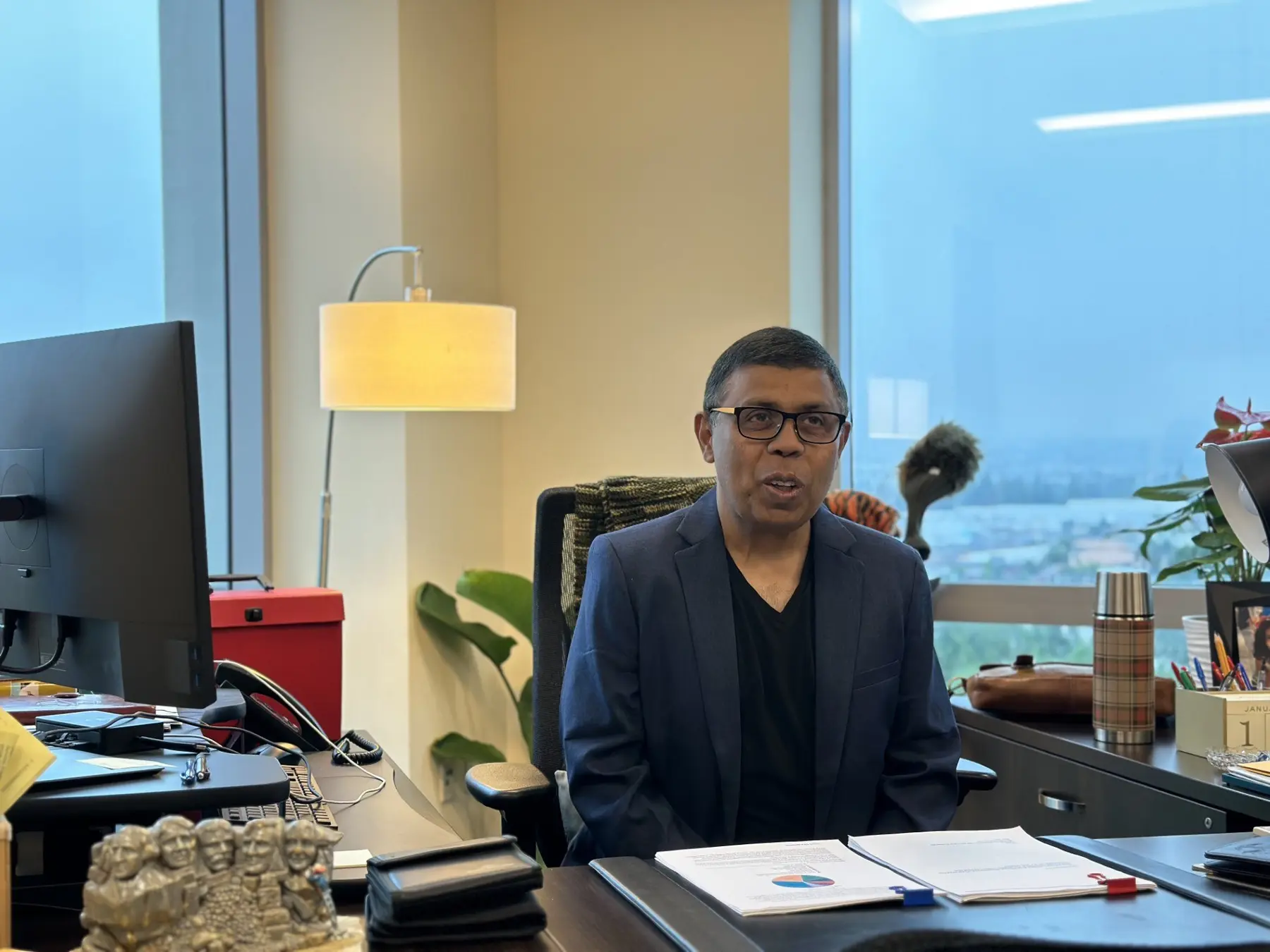
Papa John's executive. A career spent seeing what businesses could not yet see.
The Story
Named for the one who asks.
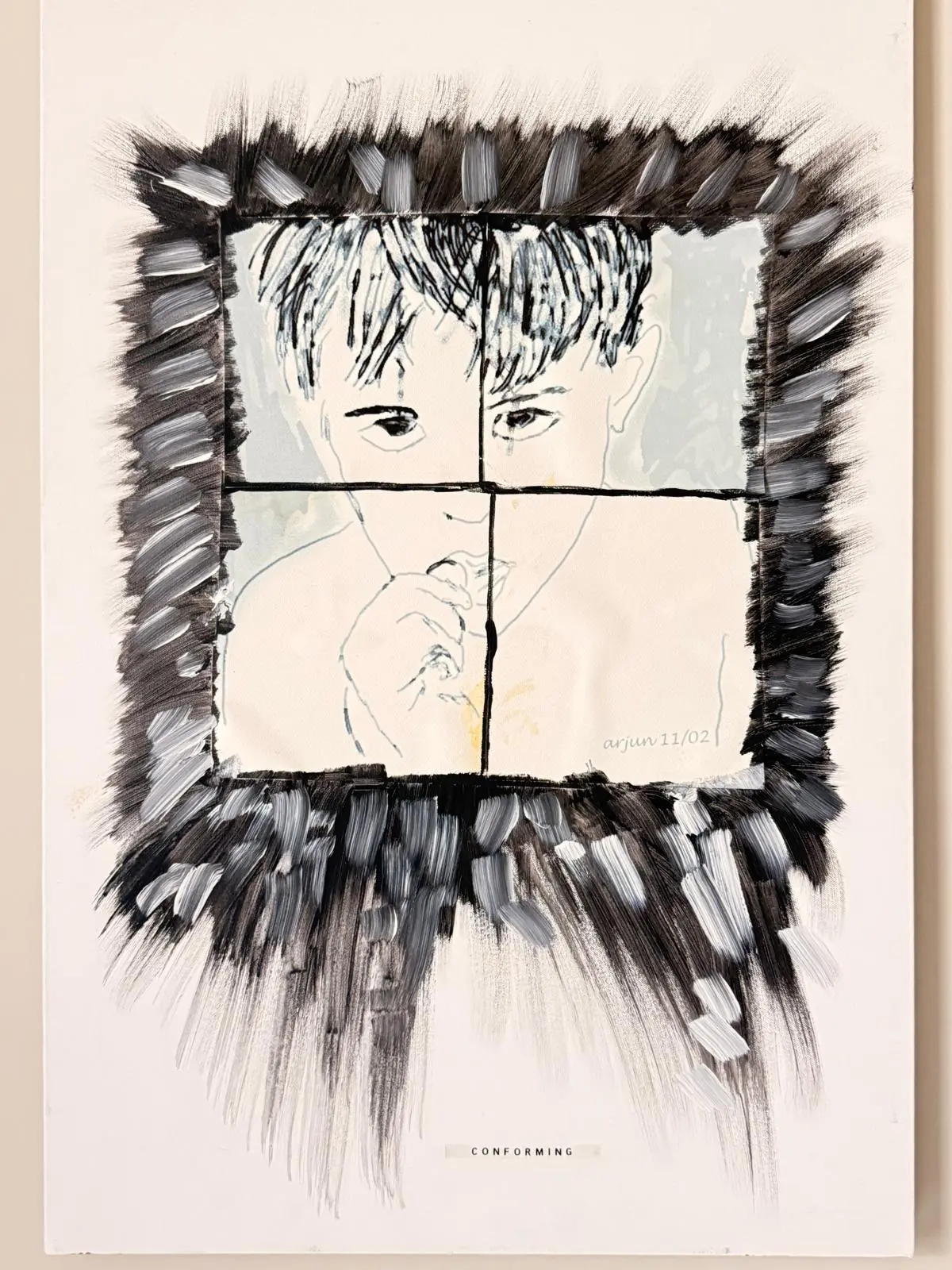
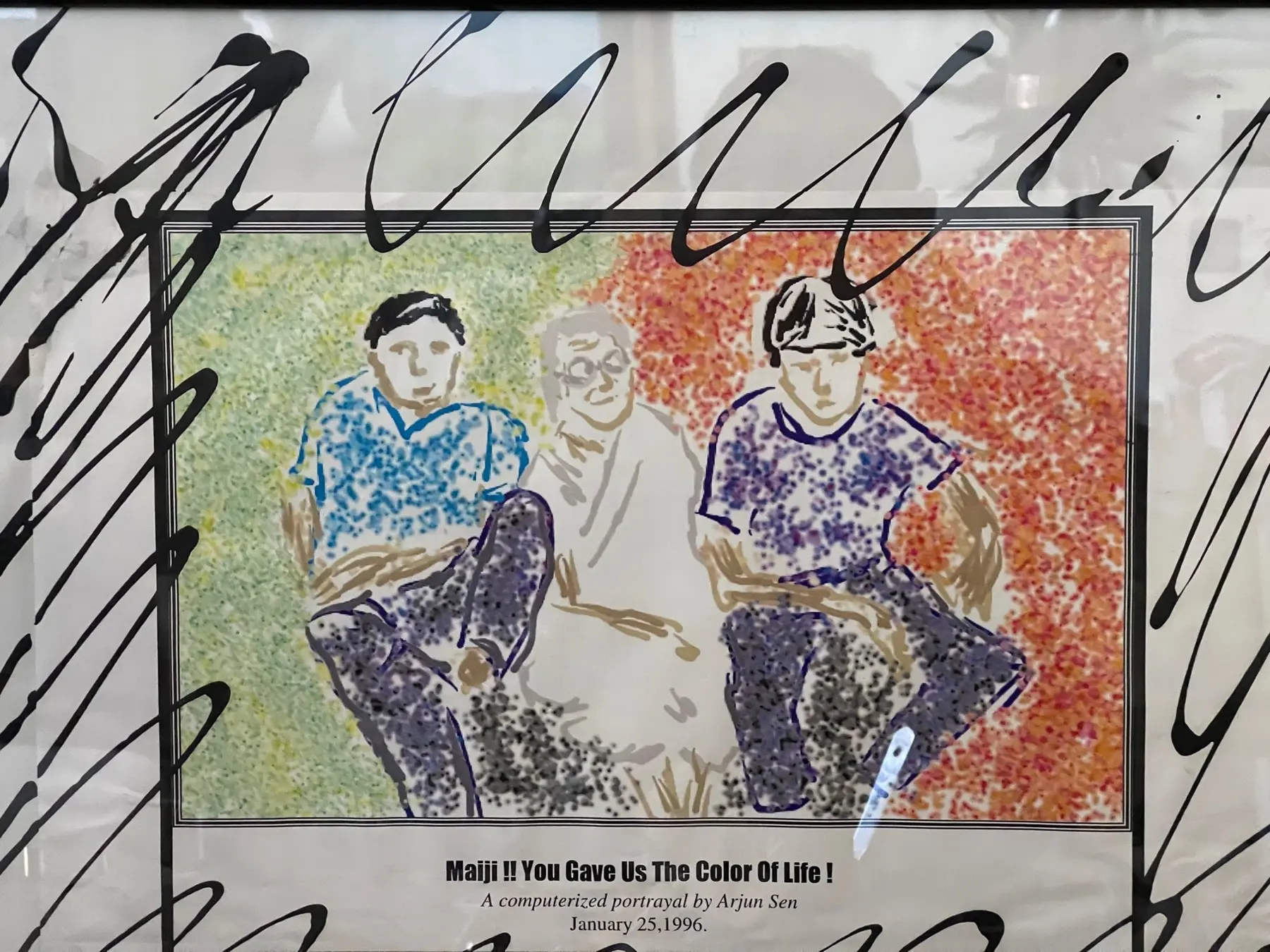
Maiji named me for the Arjun who paused a battlefield to ask a question. She saw the questioning eyes before I knew what they would become.
Childhood
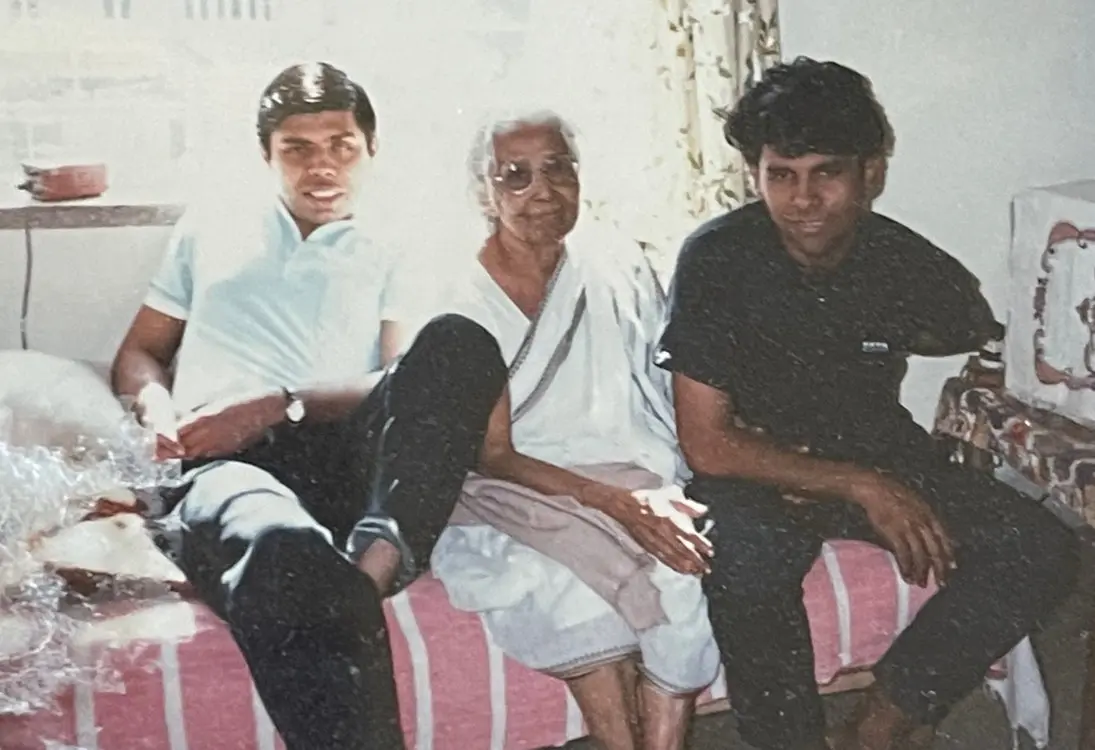
Before the principles
There was a grandmother who listened without giving me the answer. She taught me to look again until I could see my own part in what happened.
IIT Kharagpur, 1982 to 1986
The first system I tried to change
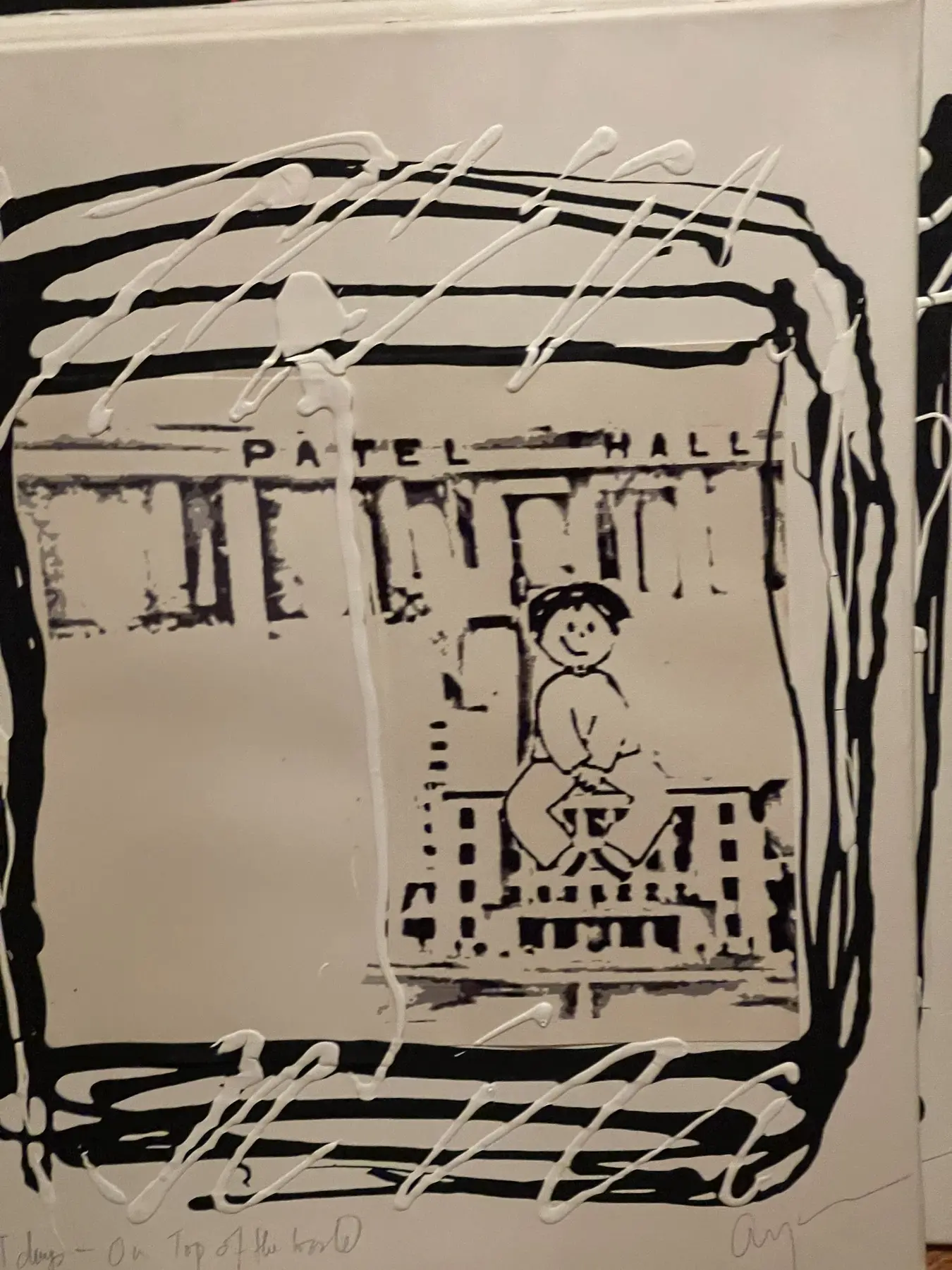
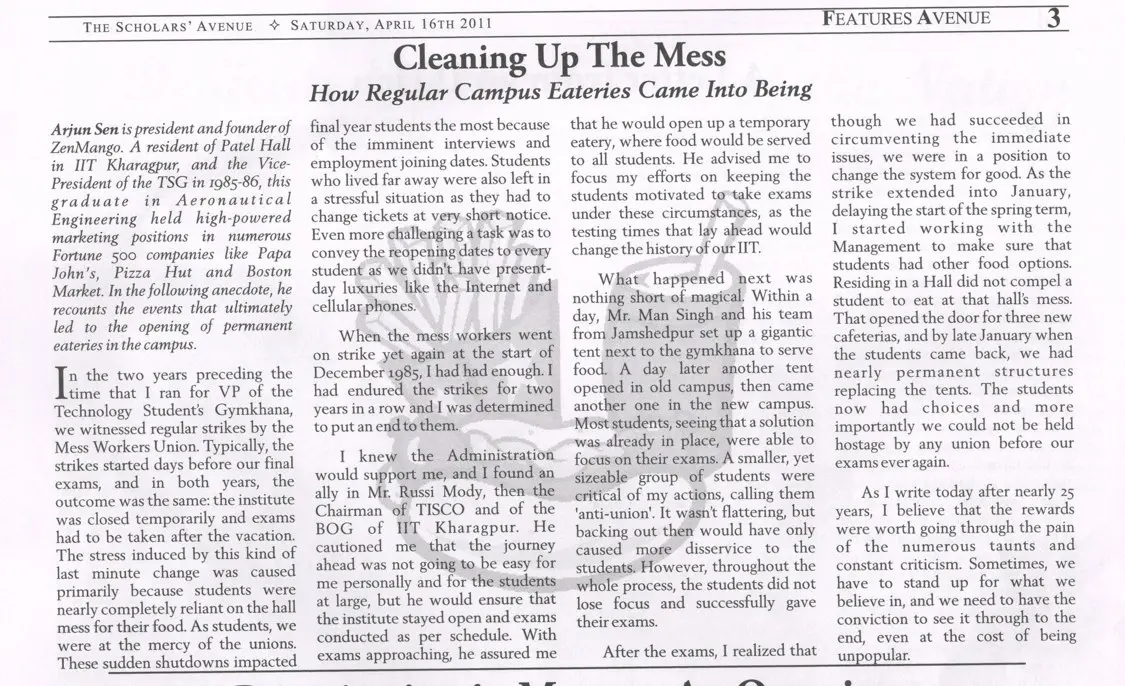
As VP of student body, worked with the Institute and Russi Mody during the campus mess workers strikes to keep the campus open. Temporary food tents became permanent eateries. The lesson was not that everyone agreed. It was that sometimes the work must continue while they do not.
The first time the Institute read my name aloud, the word after it was zero. The last time, it was the Distinguished Alumnus Award.
Brigham Young University, 1988
The extra zero
I arrived believing my scholarship was $18,500. By four that afternoon I learned that a temporary clerk had added a zero. The real number was $1,850. I had $240. I stayed.
Hang in any situation long enough and you can find a solution.
$240
What remained after the scholarship changed.
Before September 1996
The ascent
From Tata Steel to Pizza Hut, Boston Market, the founding team at Einstein Bros., and Papa John's, where the role became Vice President of Marketing and Operations Services.
September 1996
Less than one hundred days
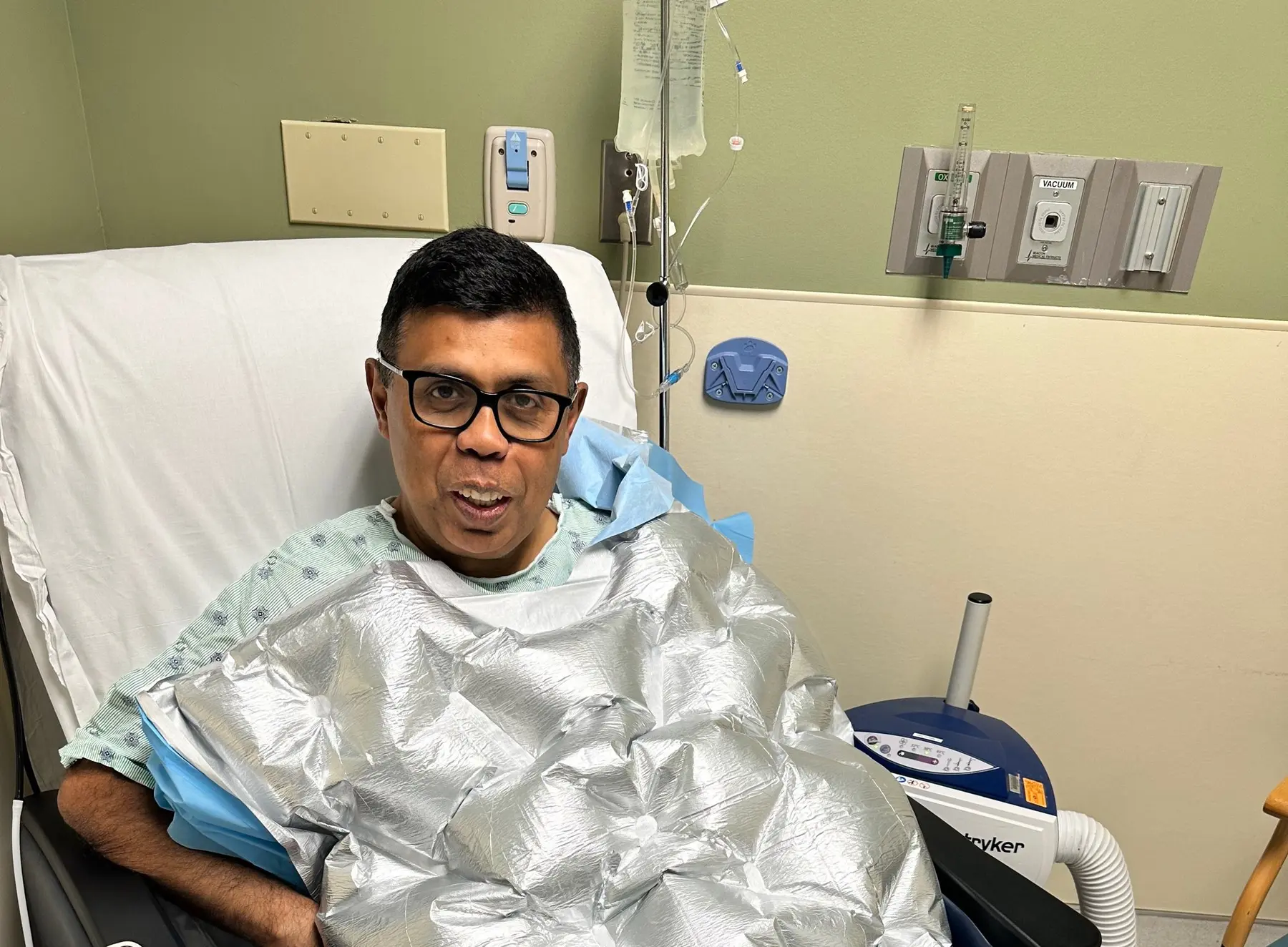
Eight people in white coats gave me a diagnosis and a deadline. I asked for a timeout. I wrote a contract by hand. The next act would be mine before the next thing happened.
Act. Never react.
The years after 1996
The work continued
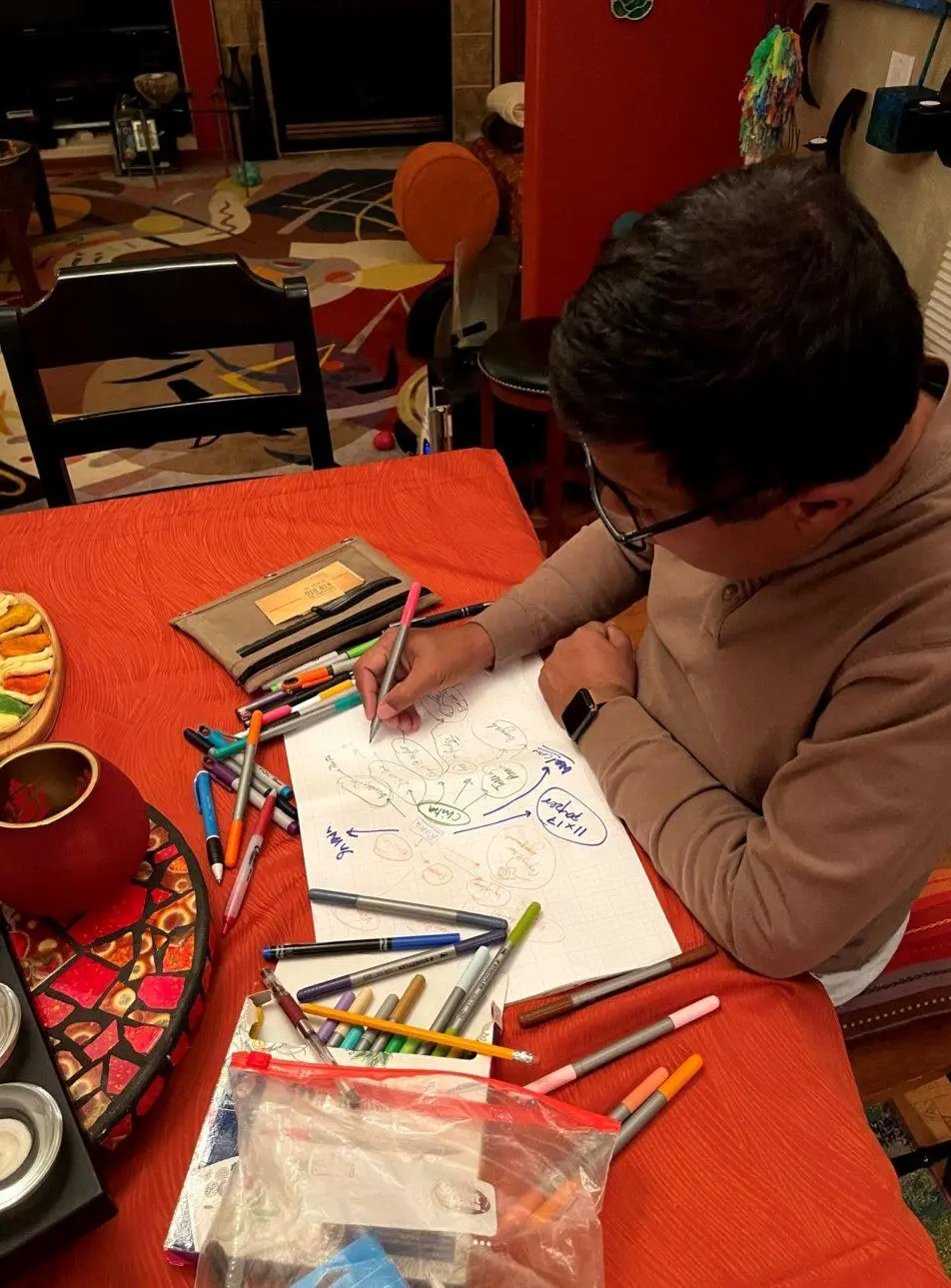
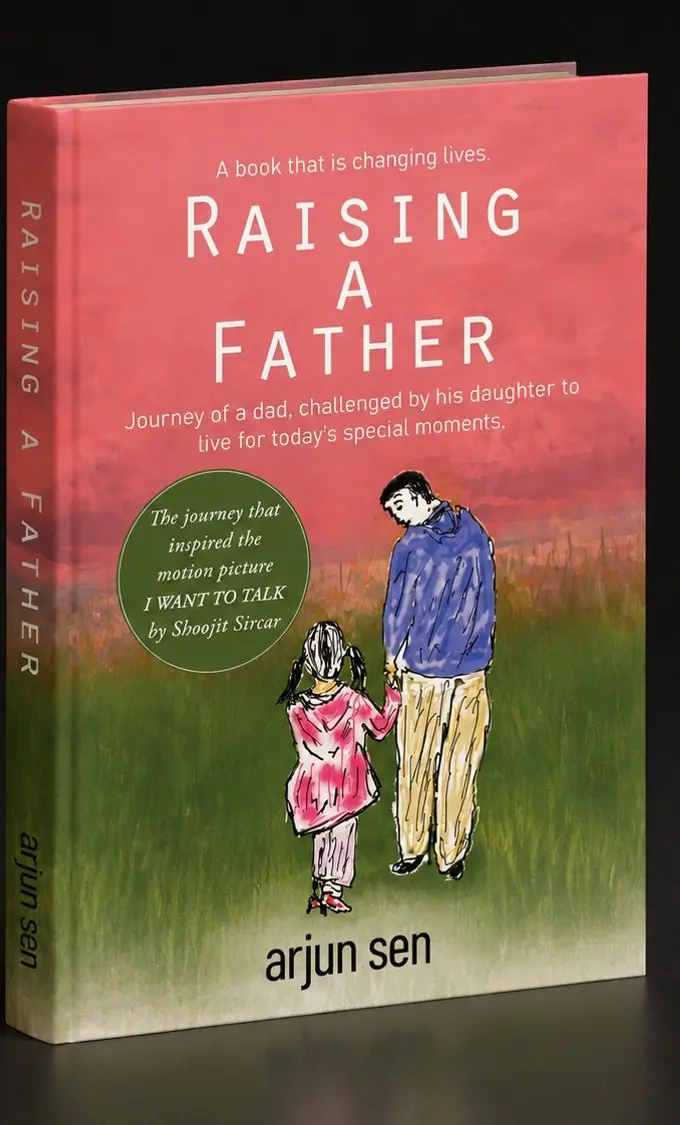
I chose father first, left the corporate world, and started ZenMango in the basement of our Denver home. The room was small. The questions were not. The work traveled across industries and around the world.
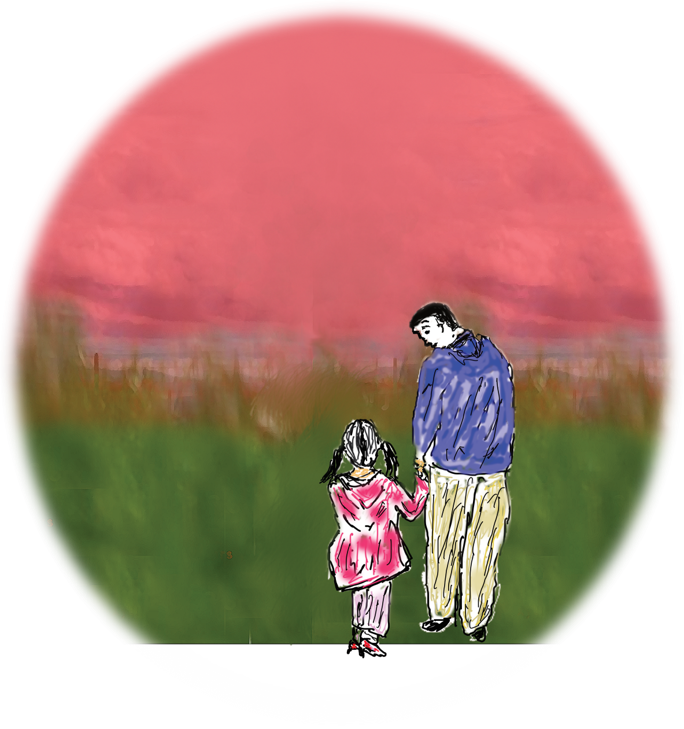
“The first identity I chose for myself was not executive. It was father.”
Arjun
2008
The next step
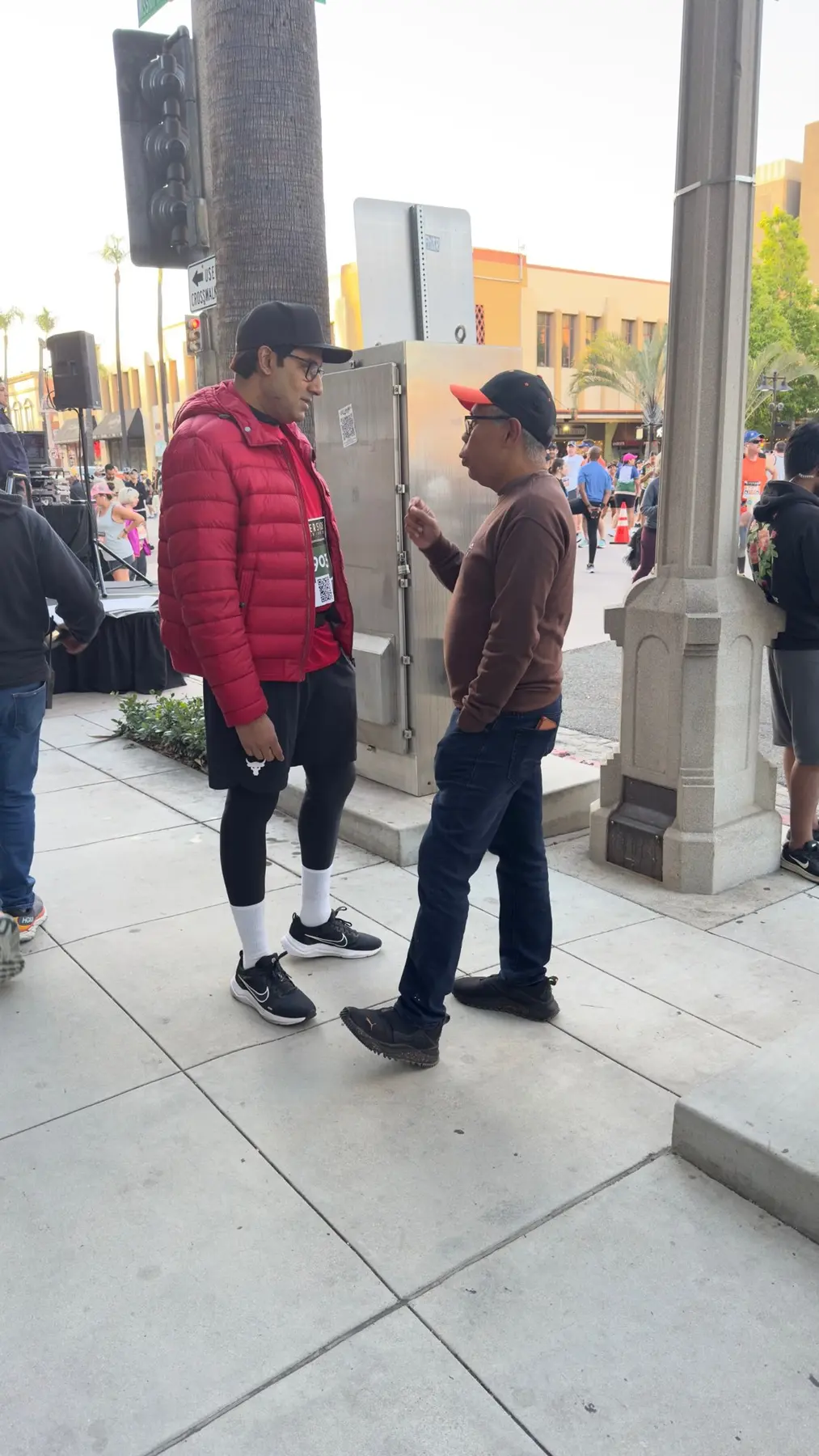
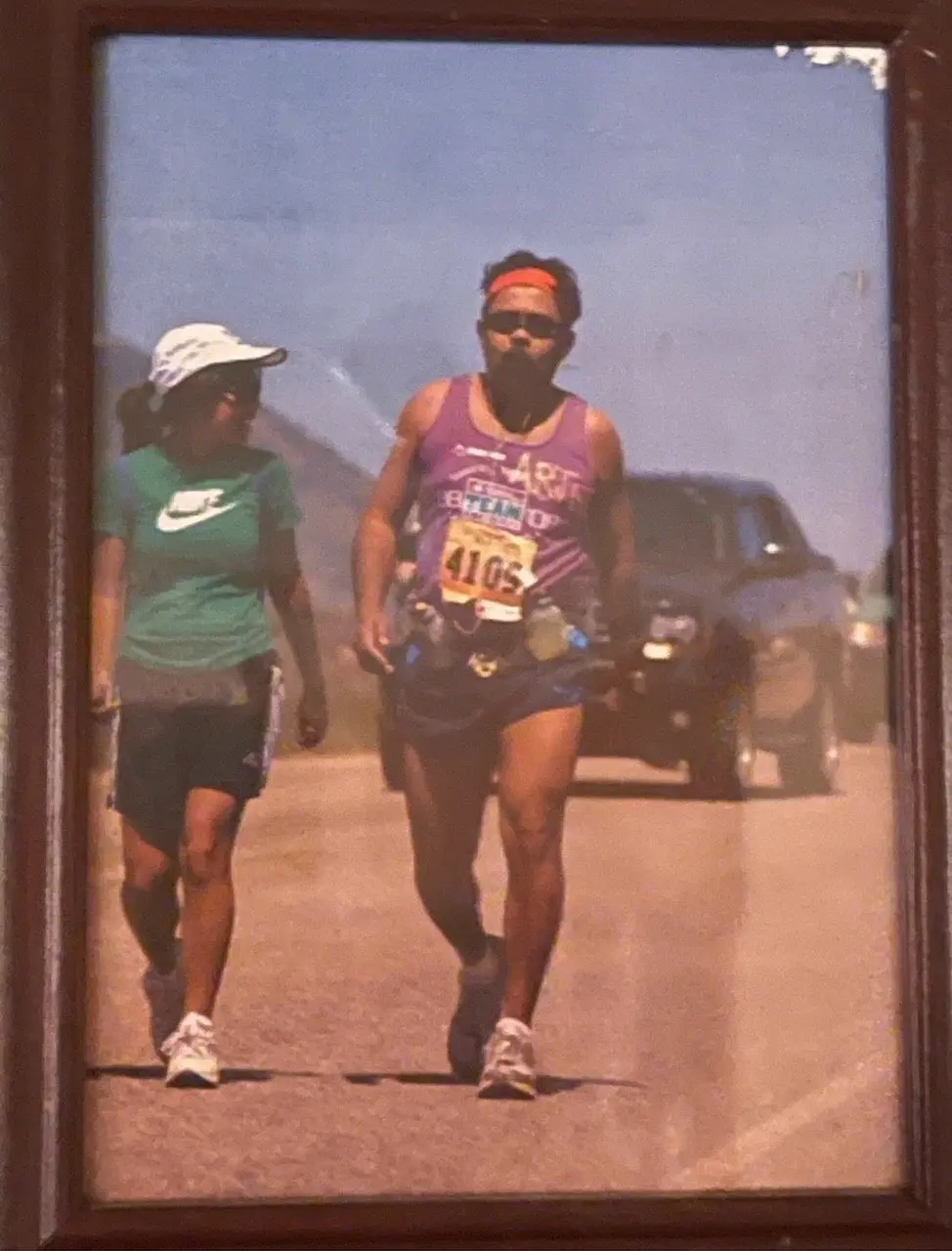
I once tried to count all the steps left in a marathon. The number was impossible. One step was not. So I stopped committing to the finish and committed to the step beneath me.
Quit on the next one. Never on this one.
More than ten thousand days later
What stayed by the door
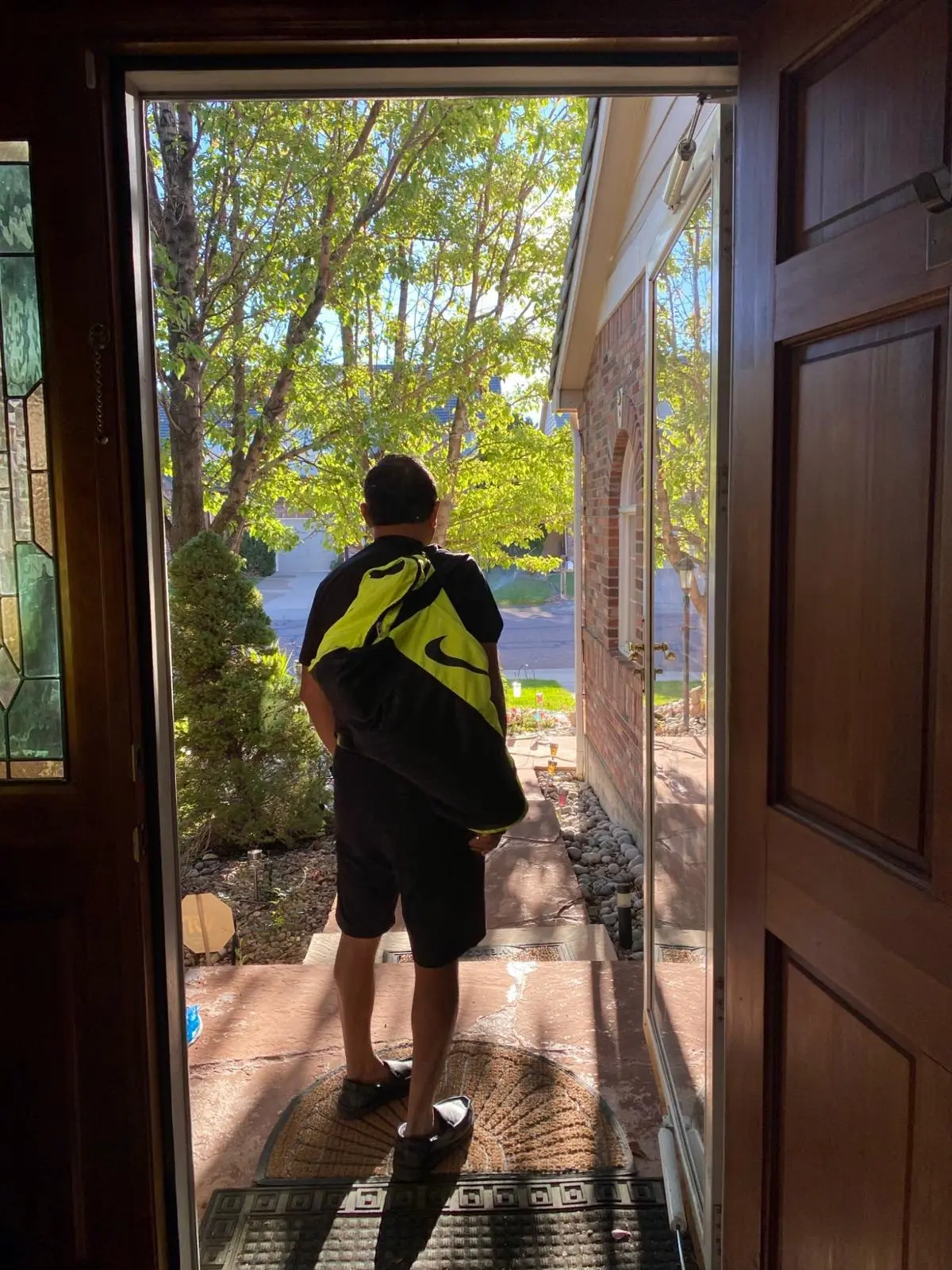
The medical bag has gone to every appointment. Any other bag in the house can be borrowed. Not this one. It is not a monument to illness. It is simply ready for what comes next.
Look closer The stories behind the turns
1988
Thirty seconds in the snow
What happened next: with $240 left, I waited beside the university president's car on a snowy October night and told my story in thirty seconds. The next morning, a jacket, a basket of fruit, and two checks were waiting. Staying long enough sometimes gives the solution time to find you.
1996
R-June Sen
When medical teams repeatedly misread my name, I made it memorable: the sixth month, June, with an R in front. People fight harder for someone they know.
September 1996
The white shirt
After the diagnosis, I returned for the white shirt I had worn during the presentation. I did not want to forget my why.
1996
Two questions
I stopped asking whether I could cure myself. On a whiteboard went two questions: Is there a better option somewhere? Can I make my best effort to find it? A different question gave me somewhere to go.
2008
The human bubble
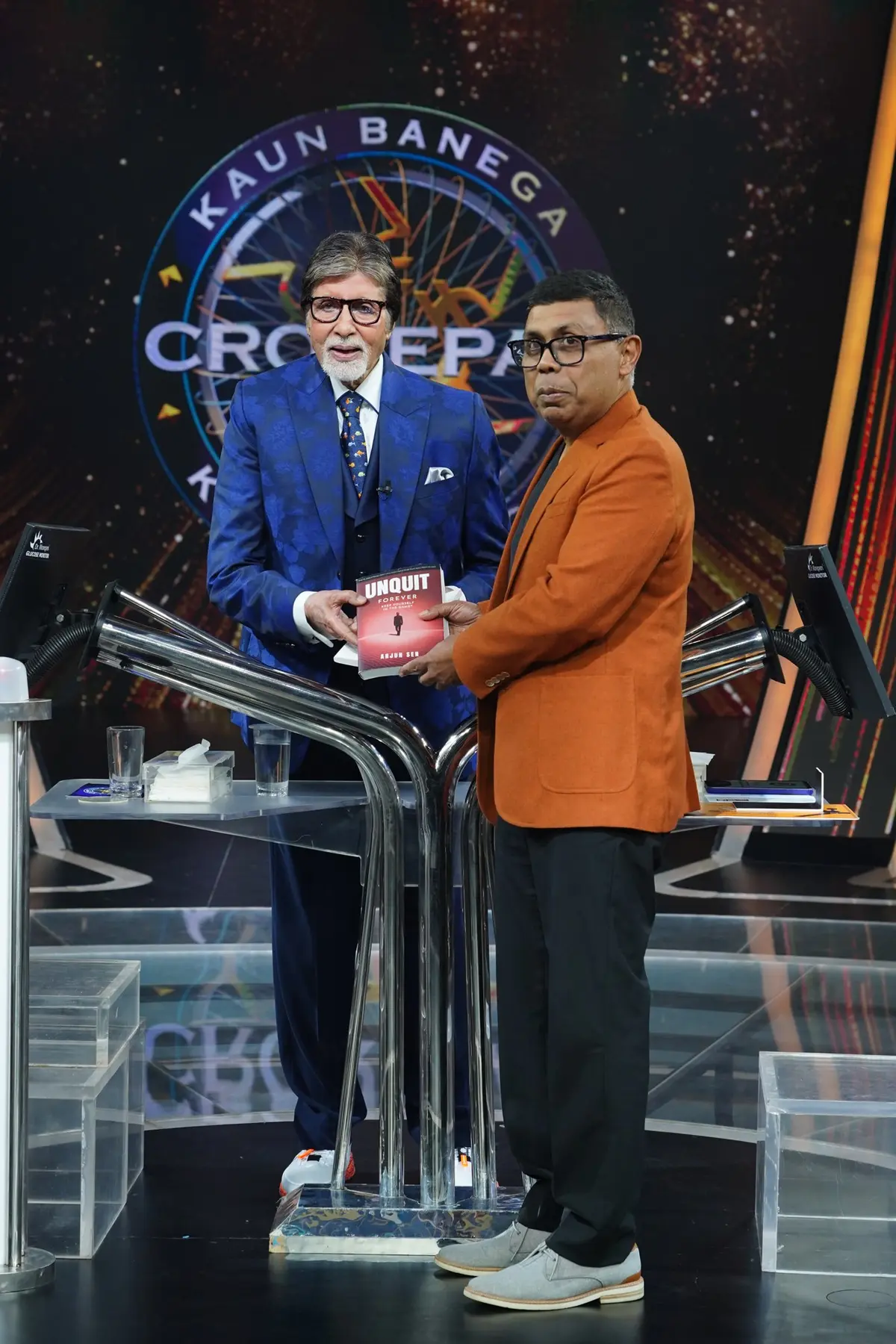
At mile eighteen, an officer ordered me off the marathon course. She became my escort, and fifteen strangers formed a human bubble around me. UNQUIT® has never meant continuing alone.